Filter
Shopping Options
SANDSTONE WATER FEATURES / NATURAL STONE
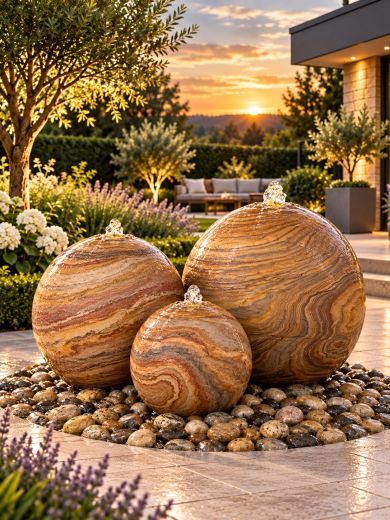
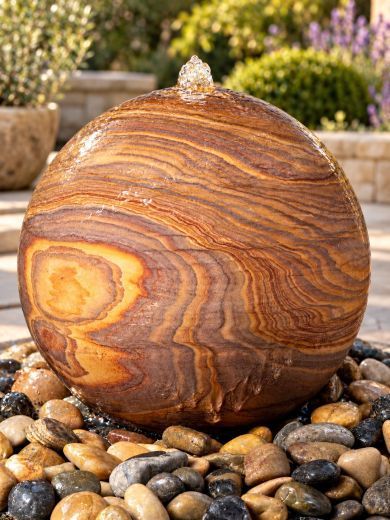
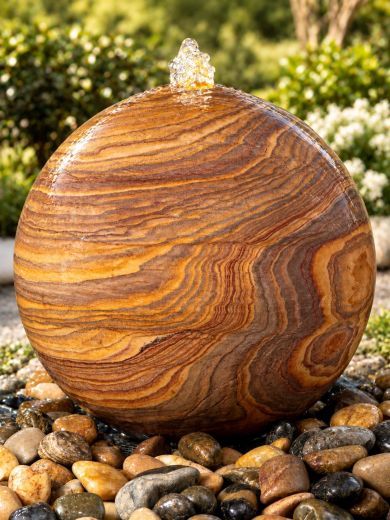
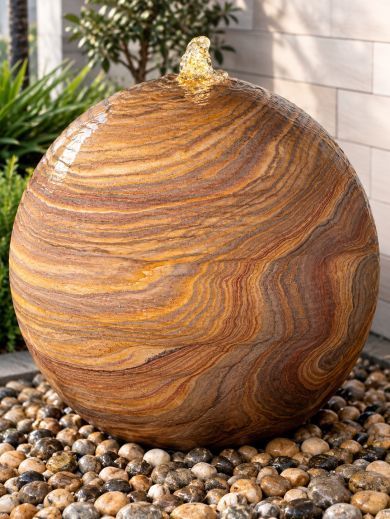
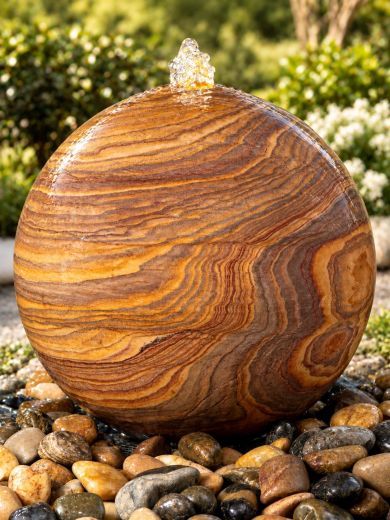
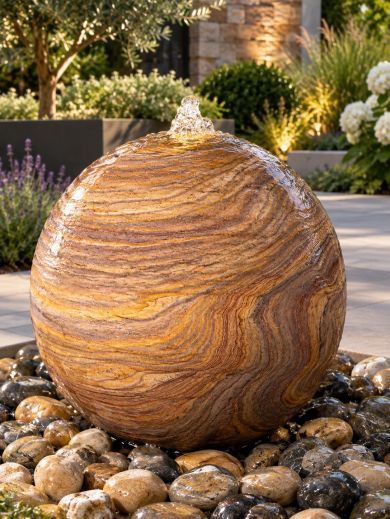
Warm colour, visible layers and individual mineral markings make sandstone one of the most expressive natural materials for a garden water feature.
Explore rainbow, black and grey sandstone in spheres, bowls, twists, columns and sculptural fountains, with every piece carrying natural variation of its own.
WHY CHOOSE SANDSTONE?
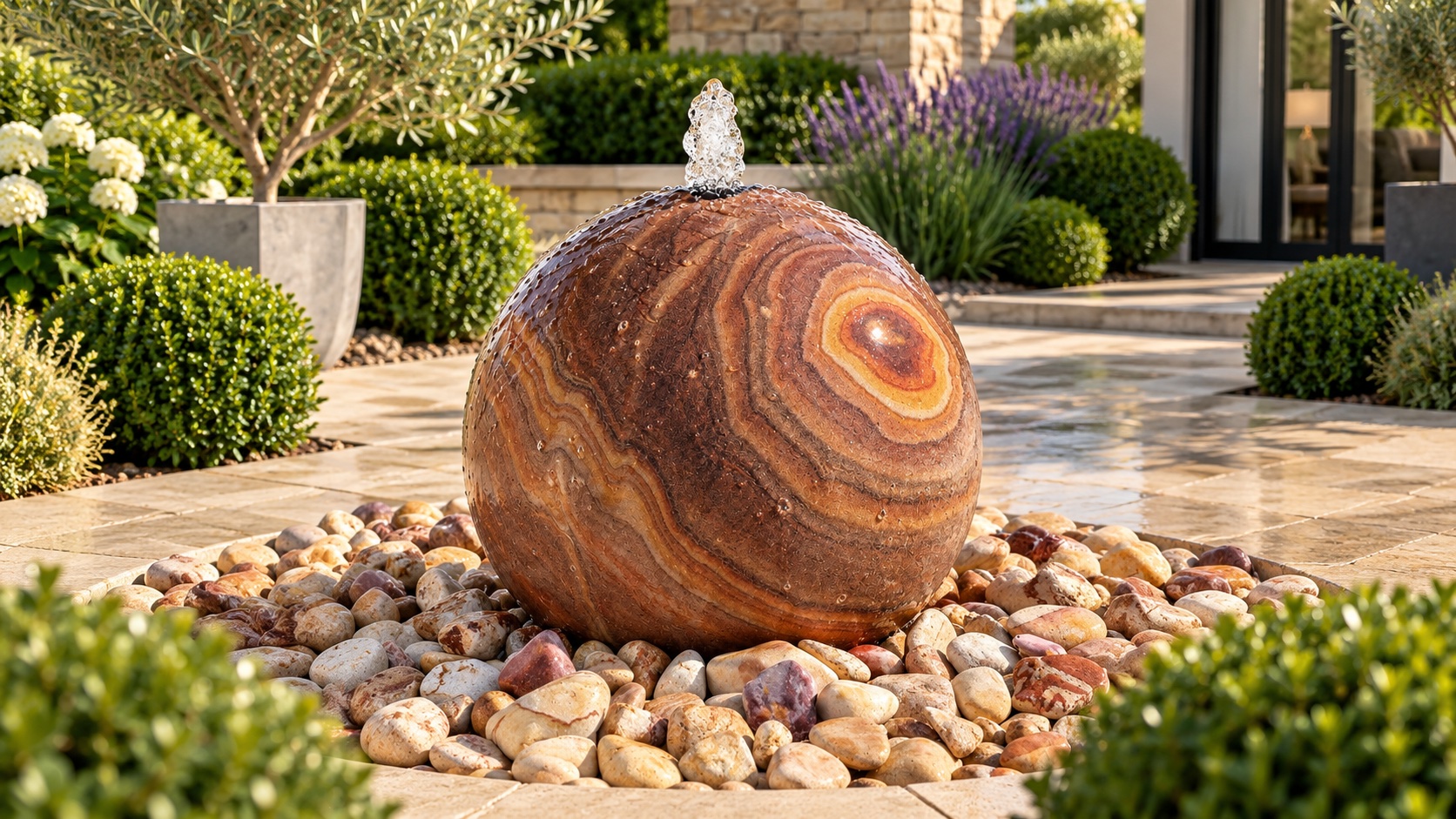
Sandstone is formed in layers, so colour, grain and mineral markings can vary noticeably from one feature to another. Rainbow sandstone brings warmer reds, golds, creams and browns, while black and grey sandstone create a cooler, more restrained look. Water usually deepens the colour and makes the natural banding more visible.
A QUICKER WAY TO CHOOSE
The material gives the feature its character, while the shape determines how strongly it sits within the garden.
RAINBOW SANDSTONE
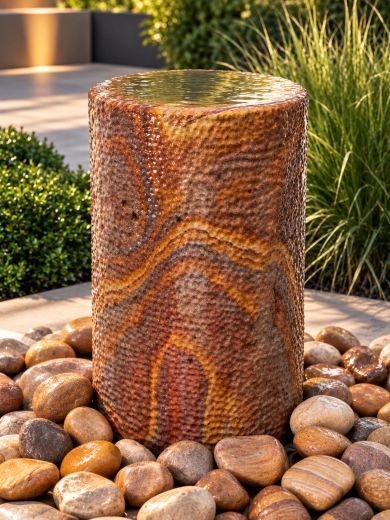
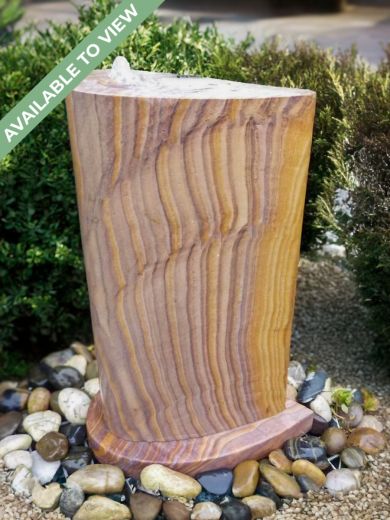
Reds, creams, golds and browns create the strongest natural variation and work particularly well with planting, brick and warmer paving.
BLACK SANDSTONE
A more restrained choice where you want natural stone with deeper tones and stronger contrast against lighter paving or rendered walls.
GREY SANDSTONE
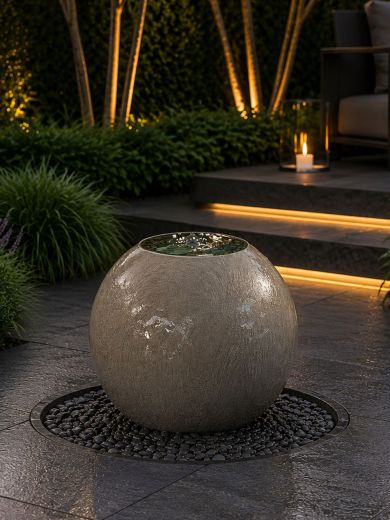
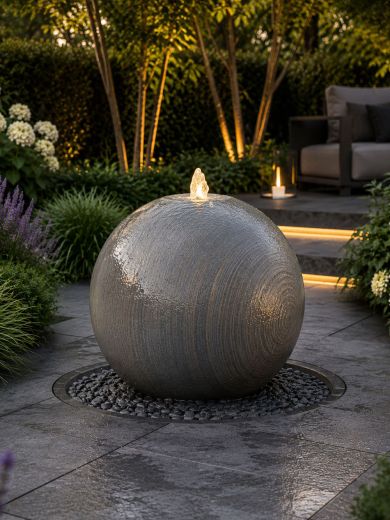
Neutral grey tones suit contemporary gardens, porcelain paving and spaces where the water feature should feel calm rather than colourful.
CHOOSE THE SHAPE
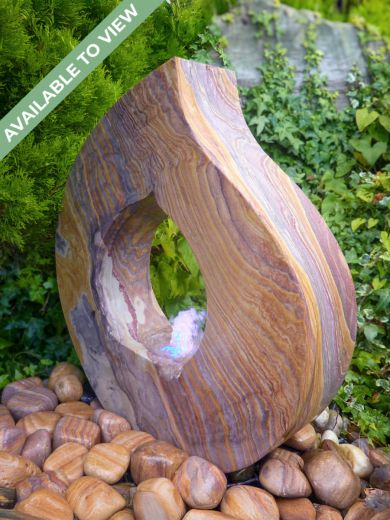
Simple geometry emphasises the stone itself, while carved twists and sculptural forms create stronger movement and a more decorative focal point.
EXPLORE SANDSTONE WITHIN AQUA MODA
This category is the broad place to compare sandstone water features. If you already know the form you prefer, these Aqua Moda collections take you directly to the relevant specialist range.
LUNARI & ECLIPSE
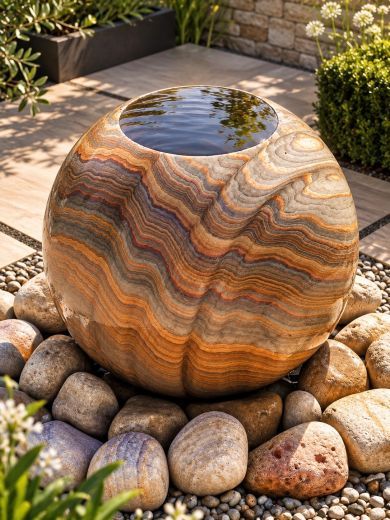
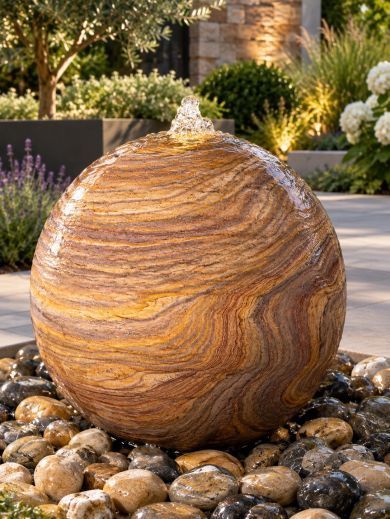
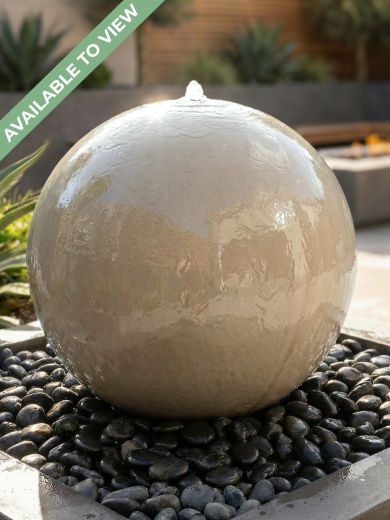
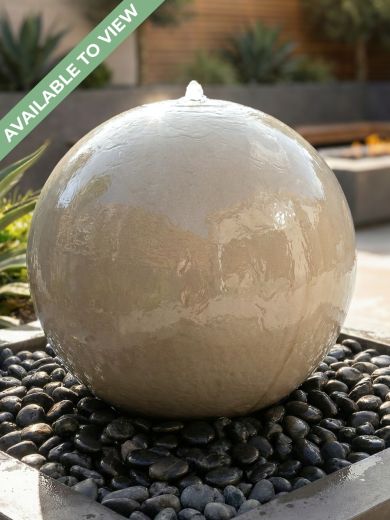
Lunari focuses on warm rainbow sandstone spheres, while Eclipse introduces darker black and grey sandstone versions.
EXPLORE LUNARI & ECLIPSEROSARA
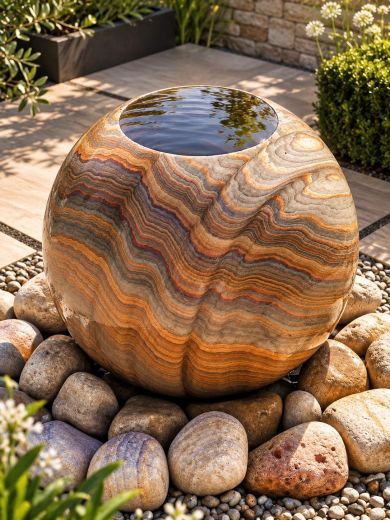
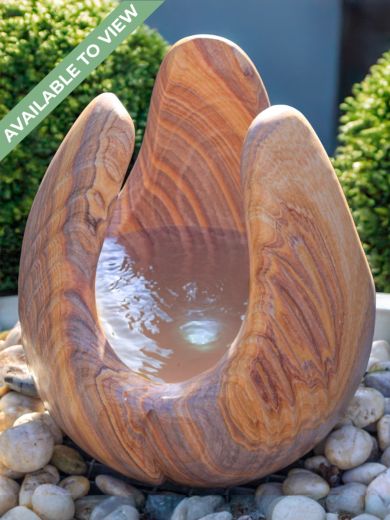
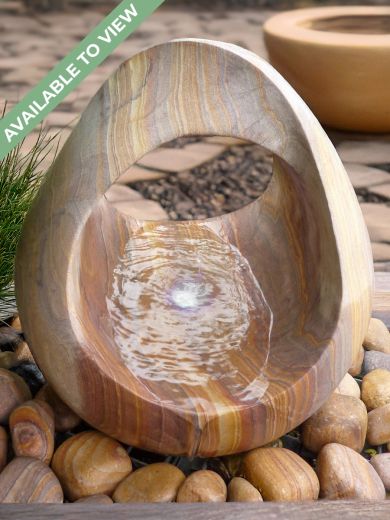
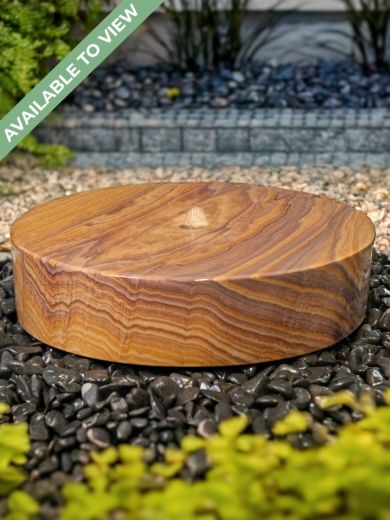
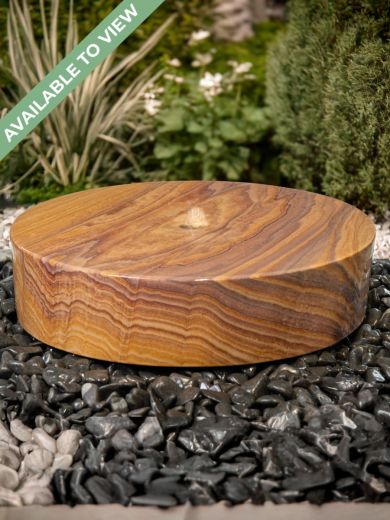
Lower bubbling bowls and bird-bath forms for patios, seating areas and gardens where a calmer water effect suits the setting.
EXPLORE ROSARAMALONE
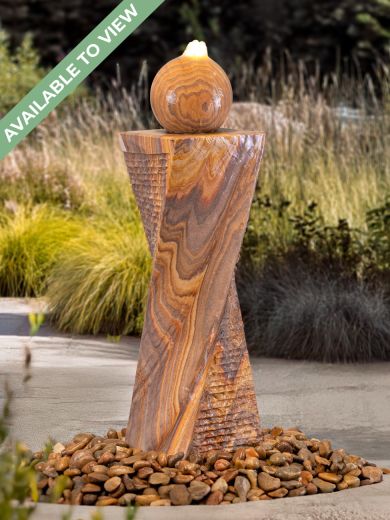
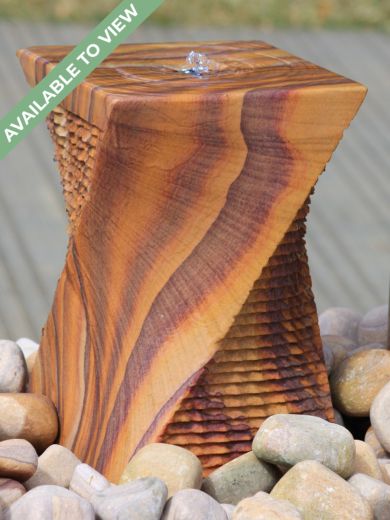
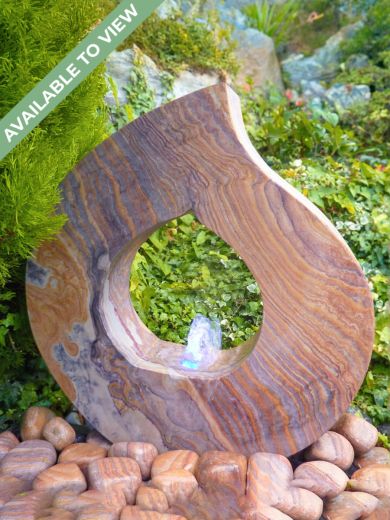
Hand-carved vertical twists that guide water across the stone, adding height, texture and stronger movement in a compact footprint.
EXPLORE MALONECALDERA
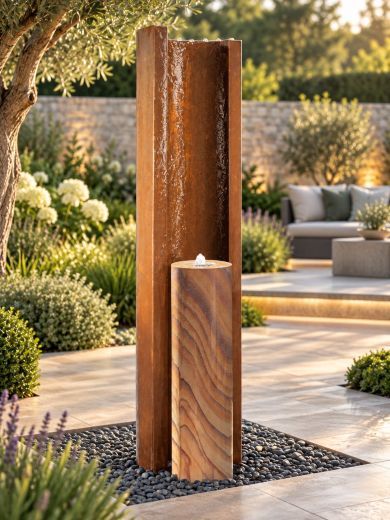
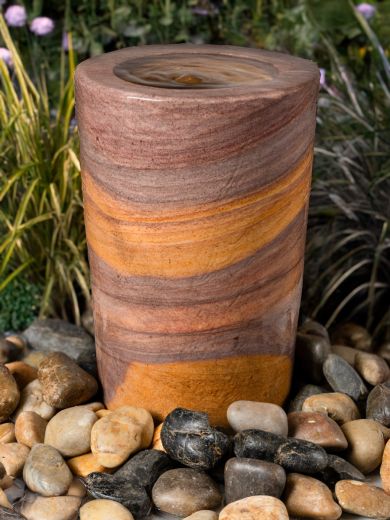
Simple upright columns that combine architectural height with the natural colour and visible layering of rainbow sandstone.
EXPLORE CALDERASANDSTONE & WATER
Part of sandstone's appeal is the contrast between its dry and wet appearance. Flowing water can reveal colour and geological detail that looks much softer when the stone is dry.
DEEPER COLOUR
Warm orange, red, brown and purple shades can become noticeably deeper as water travels across rainbow sandstone.
STRONGER LAYERING
Changes in grain and mineral content often stand out more strongly once the surface is wet.
INDIVIDUAL CHARACTER
Layer direction, markings and tonal changes naturally differ from one stone to another and are part of the material's appeal.
WHERE SANDSTONE WORKS WELL
Sandstone can work in both traditional and contemporary spaces. The key is choosing a shape and colour that complement the paving, planting and scale around it.
Warm sandstone softens into grasses, shrubs and foliage, particularly where reds, golds and natural greens already feature.
Natural grain and warm colour sit comfortably beside brick, timber, gravel and established planting.
Choose a simple sphere, bowl or column so clean geometry balances the natural variation in the stone.
A compact bowl or sphere adds natural warmth to grey paving and rendered walls without overwhelming a smaller space.
BEFORE YOU BUY
Use the individual product listing for the exact dimensions, pump, reservoir and installation details, and remember that genuine stone will not be visually identical from one piece to the next.
Photographs are a guide. Tone, grain, banding and mineral markings naturally vary between individual sandstone pieces.
Sandstone often looks lighter when dry and richer when wet, so expect the running feature to show deeper colour and stronger contrast.
Natural stone can be substantial. Check the listed weight and access requirements before delivery, especially for larger spheres and columns.
Pump size, reservoir type and installation arrangement vary by model. Use the individual product page as the source of truth for the feature you choose.
HELPFUL INFORMATION
Useful answers when comparing sandstone garden fountains and natural stone water features.
No. Sandstone is a natural material, so colour, grain and mineral markings vary from piece to piece. Rainbow sandstone can contain several warm colours, while black and grey sandstone offer a more restrained palette.
Yes. Water usually deepens the colour of sandstone and increases the contrast between natural bands and markings, so a running feature can look noticeably richer than the same stone when dry.
Rainbow sandstone is the warmest and most varied, often combining cream, gold, red, brown and pink tones. Black sandstone is darker and more dramatic, while grey sandstone gives a cooler, more neutral appearance.
The main Aqua Moda sandstone options are Lunari and Eclipse spheres, Rosara bowls, Malone twists and Caldera columns. Use the collection links above to compare the specialist ranges.
They can be, particularly larger solid-stone spheres, columns and sculptural pieces. Check the individual product weight and delivery information before ordering so access and final positioning can be planned.
Choose the colour first, then the form. A sphere emphasises the natural stone pattern, a bowl creates a lower calmer effect, a twist adds carved movement, and a column gives more vertical height with a relatively compact footprint.