Filter
Shopping Options
WATER FEATURE PEBBLES / DESIGN & INSTALLATION
Pebbles do far more than cover a reservoir. They help define the finished look of a fountain, soften the installation and connect the feature with the surrounding garden.
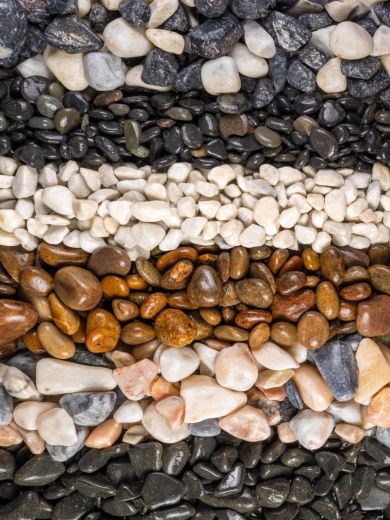
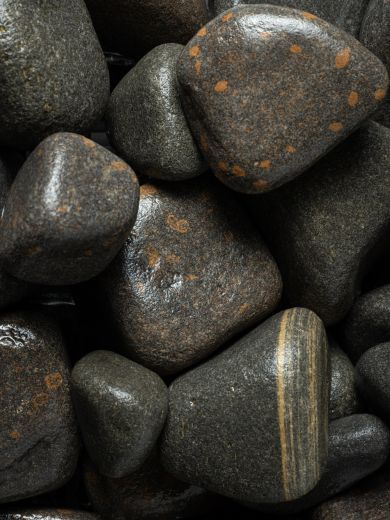
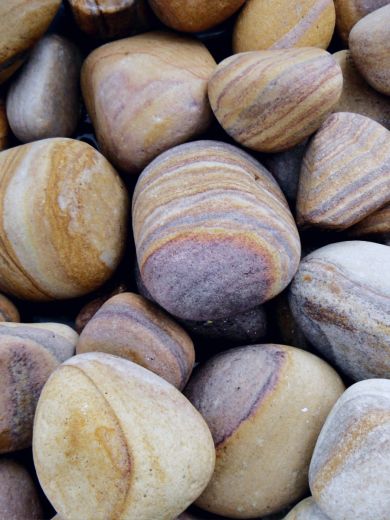
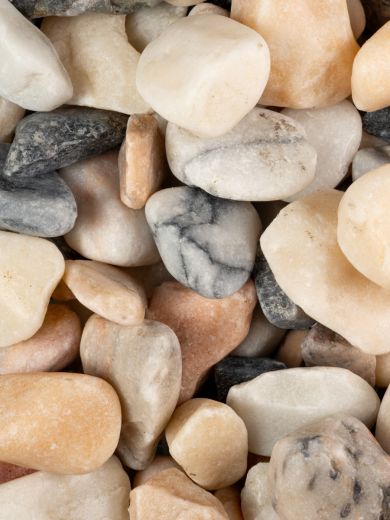
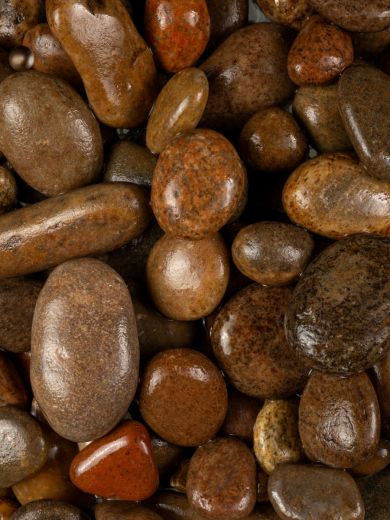
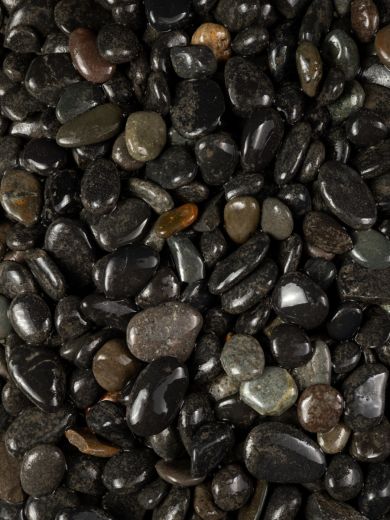
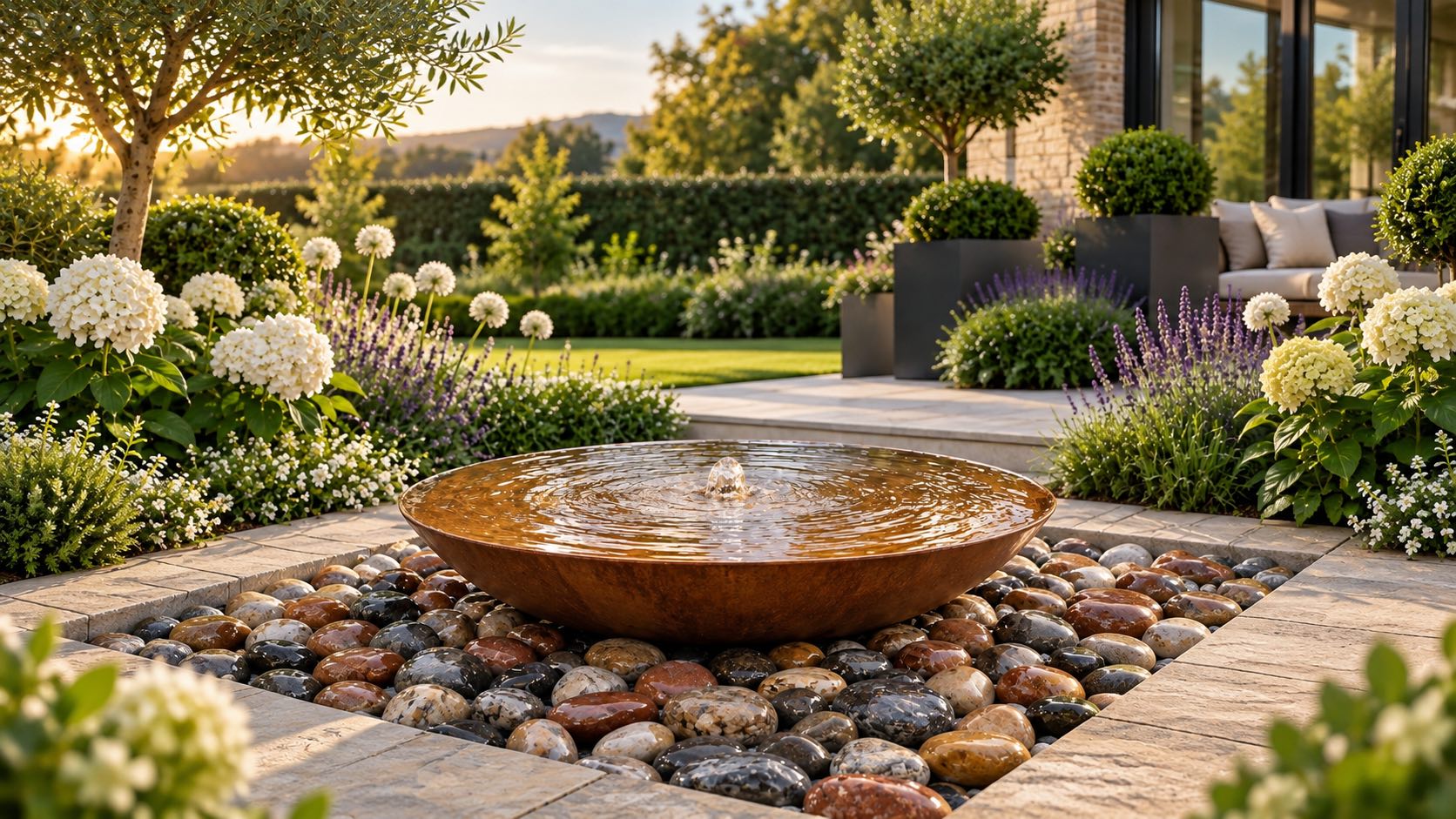
Choose a complementary pebble colour for a more subtle, coordinated finish, or use contrast to make the fountain stand out more strongly. Our pebble ranges have been chosen specifically for use with water features.
Design-led finish / Chosen for fountains / Smooth stones preferred
A DESIGN ELEMENT, NOT JUST A FILLER
The stones around a fountain affect the overall look just as much as the water feature itself. The right pebble colour can soften, sharpen or completely change the finished appearance.
01 COMPLEMENTARY COLOUR
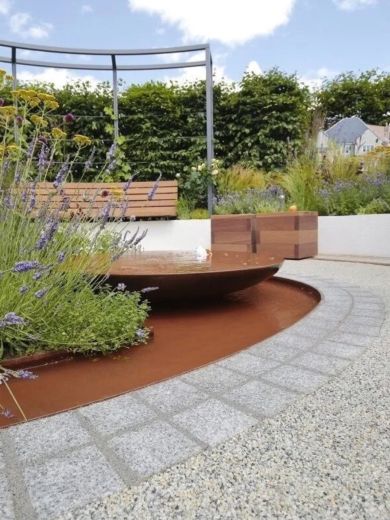
Choose a pebble colour that works with the tones of the fountain, paving and planting if you want the water feature to sit more naturally within the garden.
02 CONTRASTING COLOUR
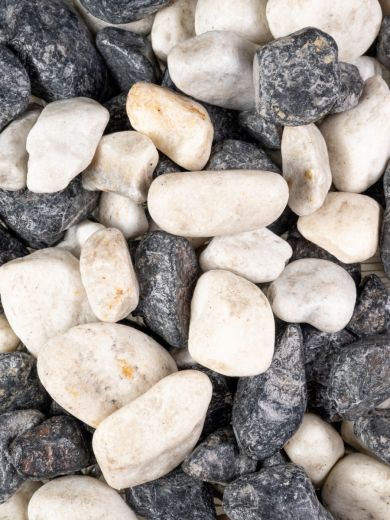
A contrasting stone can define the shape of the fountain more clearly and help create a stronger focal point, particularly in more contemporary schemes.
03 CHOSEN FOR FOUNTAINS
All of our pebble ranges have been chosen specifically for use in our fountains, with suitable sizes, finishes and materials for a cleaner, better-looking installation.
CHOOSING THE RIGHT LOOK
The best results come when the stone is chosen with the feature, paving and planting in mind rather than being treated as an afterthought.
SUBTLE, NATURAL EFFECT
Pebbles in similar tones to the water feature or surrounding materials can create a calmer, more integrated finish. This approach works particularly well when you want the fountain to sit naturally within the planting and hard landscaping.
BOLDER, MORE DEFINED EFFECT
Darker pebbles can make polished steel appear brighter, while paler stones can help define darker materials such as slate or Corten. A contrasting pebble bed can make the fountain read as a stronger focal point.
IMPORTANT BEFORE INSTALLATION
Natural stone often carries dust from processing, packing and transport. If the pebbles are not washed first, that dust can end up in the reservoir and circulating water as soon as the fountain is switched on.
SMOOTHER STONES ARE THE BETTER OPTION
For fountain installations, smoother rounded or polished stones are generally a better choice than softer, more fragile chippings.
RECOMMENDED
These help create a cleaner finished look and are less likely to shed loose fragments into the reservoir. They are generally better suited to use around recirculating fountain systems.
LESS SUITABLE
Softer stone can break down more easily, create dust or sharp fragments and increase the risk of material reaching the pump. For that reason, we favour pebble ranges chosen specifically for use with fountains.
THE FINISHING TOUCH
Whether you want a coordinated look or stronger contrast, clean smooth pebbles can make a big difference to the final appearance of the fountain while helping protect the system beneath.