
INSPIRATION HUB
Water Feature Inspiration for Considered Outdoor Spaces
Explore real garden installations and see how scale, material, planting and positioning can turn a water feature into part of the landscape.
From natural stone spheres and sculptural sandstone to Corten and polished steel, these projects show how Aqua Moda designs can work in very different settings.
PLAN BY SPACE, STYLE OR MATERIAL
Water feature ideas for different gardens
Start with the setting you are working with. These practical inspiration guides explore how positioning, scale, materials, planting and installation can change the way a water feature feels in the finished garden.
MODERN GARDENS
Water Features in Modern Gardens
Clean lines, reflective surfaces and strong architectural forms for contemporary landscaping.
COURTYARD GARDENS
Water Features in Courtyard Gardens
Ideas for introducing movement and sound where floor space and sightlines are more restricted.
SPHERE POSITIONING
How to Position a Sphere Water Feature
Use scale, backdrop and viewing angles to make a sphere feel deliberately placed rather than added afterwards.
RAISED BORDERS
Water Features in Raised Borders
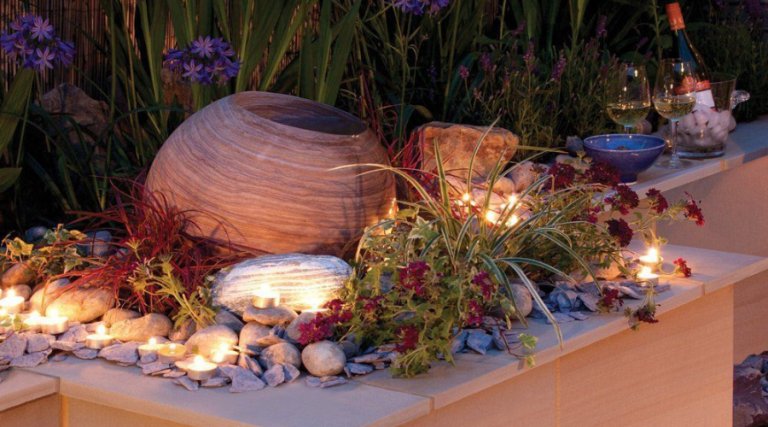
Integrate the reservoir, pebbles and planting so the feature becomes part of the border.
CORTEN IDEAS
Corten Water Feature Ideas
Warm weathered steel creates contrast against green planting, stone, gravel and contemporary paving.
NATURAL STONE
Natural Stone Water Feature Ideas
Use sandstone, basalt, granite and limestone to add texture, variation and a more organic focal point.
REAL GARDENS. REAL INSTALLATIONS.
Ideas worth borrowing
Explore a curated selection of Aqua Moda designs in garden settings. Each image is presented consistently so you can compare material, scale and style more easily.
ROSARA
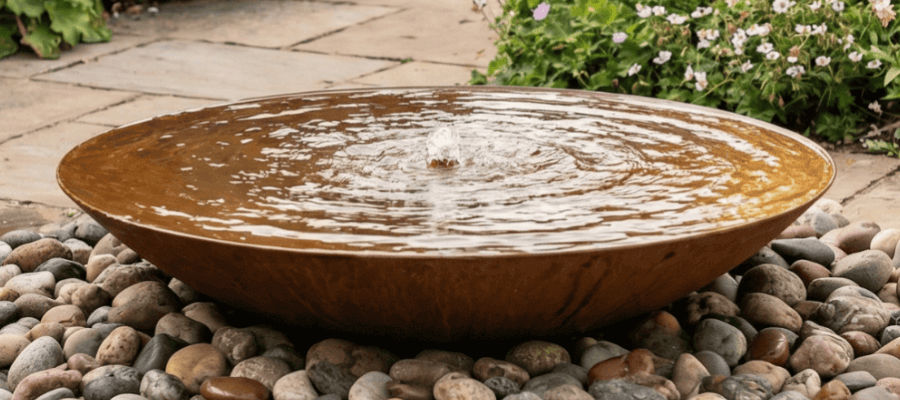
Corten Steel 80cm Bowl
A quiet corner becomes a focal point when the warm Corten finish is echoed by a generous bed of decorative pebbles.
MIREN
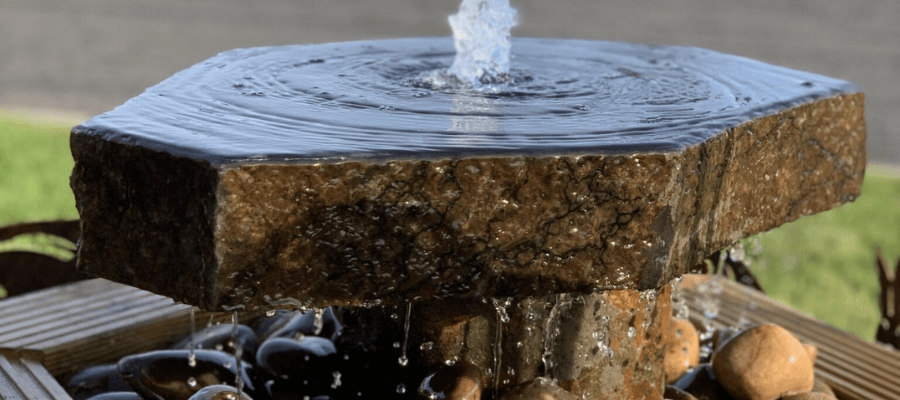
Basalt Slab with Plinth
A raised timber bed gives the basalt more presence while planting softens the strong vertical form.
LUNARI
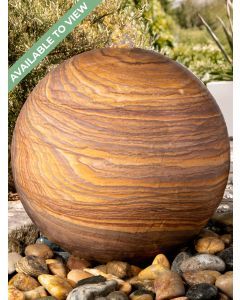
Rainbow Sandstone 60cm Sphere
Elevating the sphere on a built plinth increases its visual weight and helps it sit confidently within the wider landscape.
MALONE
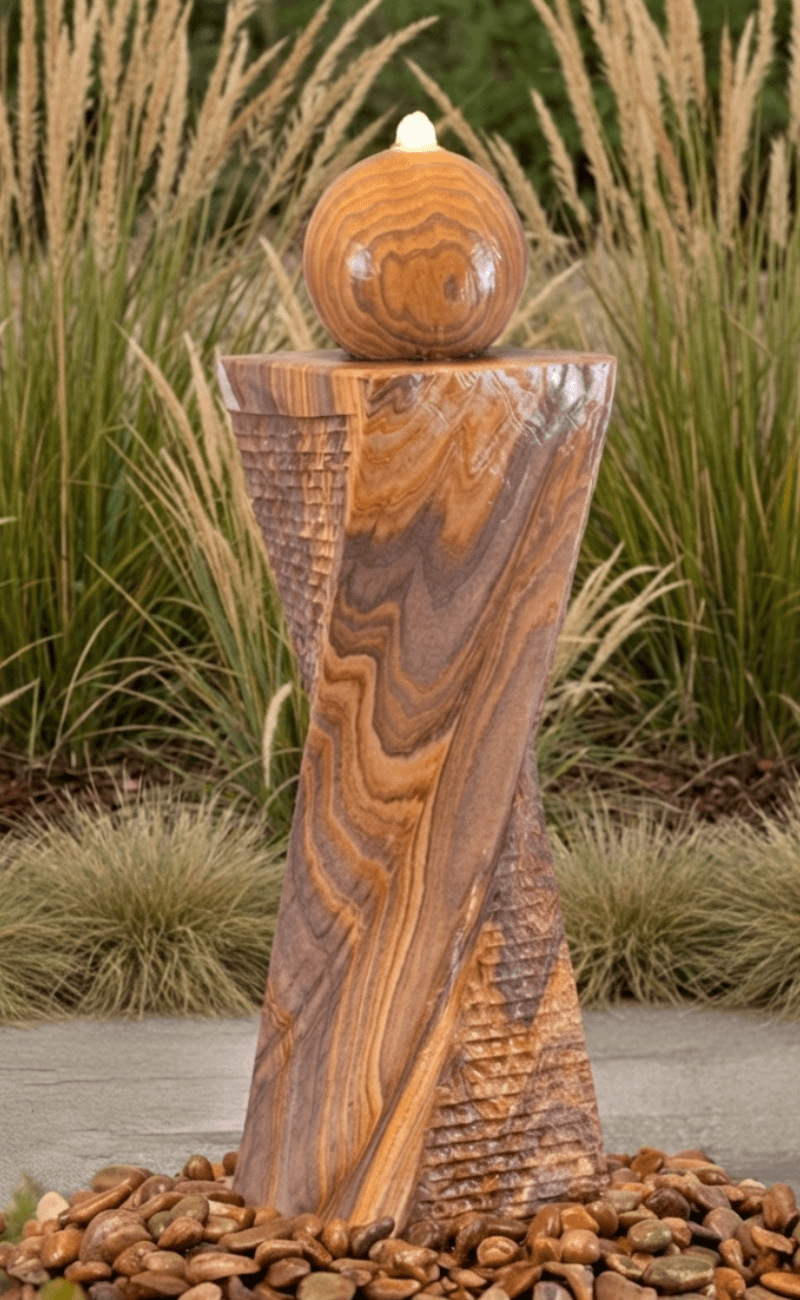
Rainbow Sandstone Twist
Ornamental grasses and natural pebbles complement the movement and layered texture of the sculptural stone.
LUNARI
50cm Infinity Sphere
A raised-bed installation allows the hidden reservoir, planting and pebbles to read as one integrated garden feature.
ATERNO
Steel Spheres
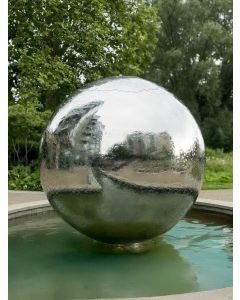
Polished stainless steel and weathered Corten show how contemporary materials can work beautifully alongside softer planting.
MODERN GARDEN IDEAS
Water Features in Modern Gardens
Modern gardens usually benefit from a water feature with a clear silhouette and a deliberate relationship to the surrounding paving, planting and architecture. Polished stainless steel can reflect sky, foliage and nearby buildings, while slim water walls and geometric forms introduce height without demanding a large footprint. Rather than filling an empty corner, position the feature where it strengthens an existing sightline — for example at the end of a path, beside a seating area or against a simple planted backdrop.
Keep the finishing materials restrained. Repeating the tones of paving, gravel or edging around the reservoir helps the feature feel designed into the garden rather than placed on top of it.
SMALLER SPACES
Water Features in Courtyard Gardens
A courtyard does not need a large footprint to gain real impact from water. In a more enclosed space, sound, movement and reflected light are often noticed at closer range, so a well-positioned bowl, sphere or slim vertical feature can become a strong focal point without dominating the whole area. Think first about where the feature will be seen from indoors and from the main seating position, then leave enough visual space around it for the shape to read clearly.
Where excavation is difficult, an above-ground reservoir or compact self-contained arrangement can simplify installation. Vertical designs are particularly useful when you want height and movement without using much floor area.
POSITIONING & SCALE
How to Position a Sphere Water Feature
A sphere is at its strongest when the whole outline can be appreciated. Avoid crowding it tightly between pots or dense planting; a little negative space around the form makes the feature look larger and more intentional. Use the main view from the house, patio or garden entrance to decide the position, and consider what the sphere will reflect or sit against. Polished steel benefits from attractive surroundings, while natural stone often looks best when the planting and gravel feel like an extension of the material.
Scale matters as much as diameter. A sphere placed in a deep border can visually shrink, while raising it on a plinth or within a raised bed can give the same feature much more presence.
INTEGRATED INSTALLATION
Water Features in Raised Borders
Raised borders are one of the most effective ways to make a water feature feel integrated into the landscape. The reservoir can be concealed beneath pebbles or planting, while the extra height brings the water movement closer to eye level and helps a sphere, slab or sculptural stone hold its own against surrounding plants. They are especially useful where you want the finished installation to look more permanent and less like a standalone garden accessory.
Plan the structure around access as well as appearance. The pump and reservoir still need to be reachable for cleaning and maintenance, and the feature itself needs a stable, level support. Leave the immediate water-return area clear enough for water to flow freely back into the reservoir.
WEATHERED STEEL
Corten Water Feature Ideas
Corten works particularly well when you want a water feature to bring warmth into a predominantly green, grey or pale-stone garden. Its rust, orange and deep brown tones create natural contrast with planting and become richer when the surface is wet. Bowls give a lower, more horizontal focal point, while water walls, columns and spheres create stronger architectural shapes.
Use surrounding materials to control the overall feel: gravel and grasses make Corten softer and more natural; crisp porcelain or sawn stone makes it feel more contemporary. During the weathering process, rust-coloured runoff can mark pale or porous surfaces, so allow for drainage and consider the immediate paving or gravel finish when choosing the position.
STONE, TEXTURE & PLANTING
Natural Stone Water Feature Ideas
Natural stone is a strong choice when you want the water feature to sit comfortably within planting rather than contrast sharply with it. Sandstone brings warmer layered colour, basalt gives a darker and more sculptural character, while granite and limestone can move from rustic to contemporary depending on the form and surrounding materials. Because genuine stone varies in tone, markings and texture, each piece has a slightly different character.
Build the installation around those natural qualities. Pebbles, gravel and ornamental grasses can soften the transition into the border, while a clean paved surround can make a carved bowl or sphere feel more architectural. The key is to repeat one or two colours or textures from the feature elsewhere in the garden.
CREATE THE LOOK
Make the feature feel part of the garden.
The water feature is only one part of the finished composition. The best results come from thinking about scale, sightlines and the materials immediately around it.
01 POSITIONING
Place the feature where it can be enjoyed from key viewpoints rather than simply filling an empty space.
02 SCALE
Choose enough size and height for the feature to hold its own against the planting, walls and surrounding architecture.
03 FINISHING
Pebbles, planting, lighting and concealed reservoirs can turn a standalone product into a considered landscape feature.
BEYOND THE PRIVATE GARDEN
Commercial & public-space projects
Our water features have also been selected for holiday parks, offices, residential developments and prominent public environments across the UK.
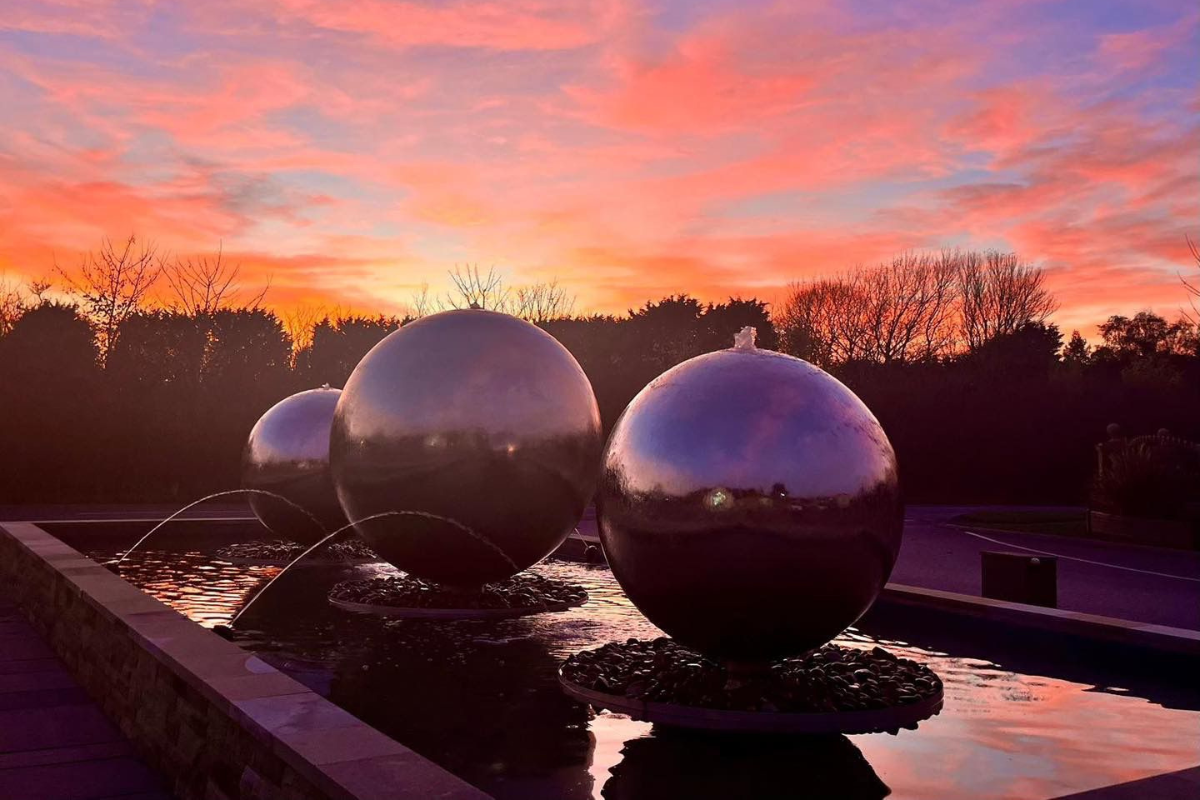
Don Amott Holiday Parks
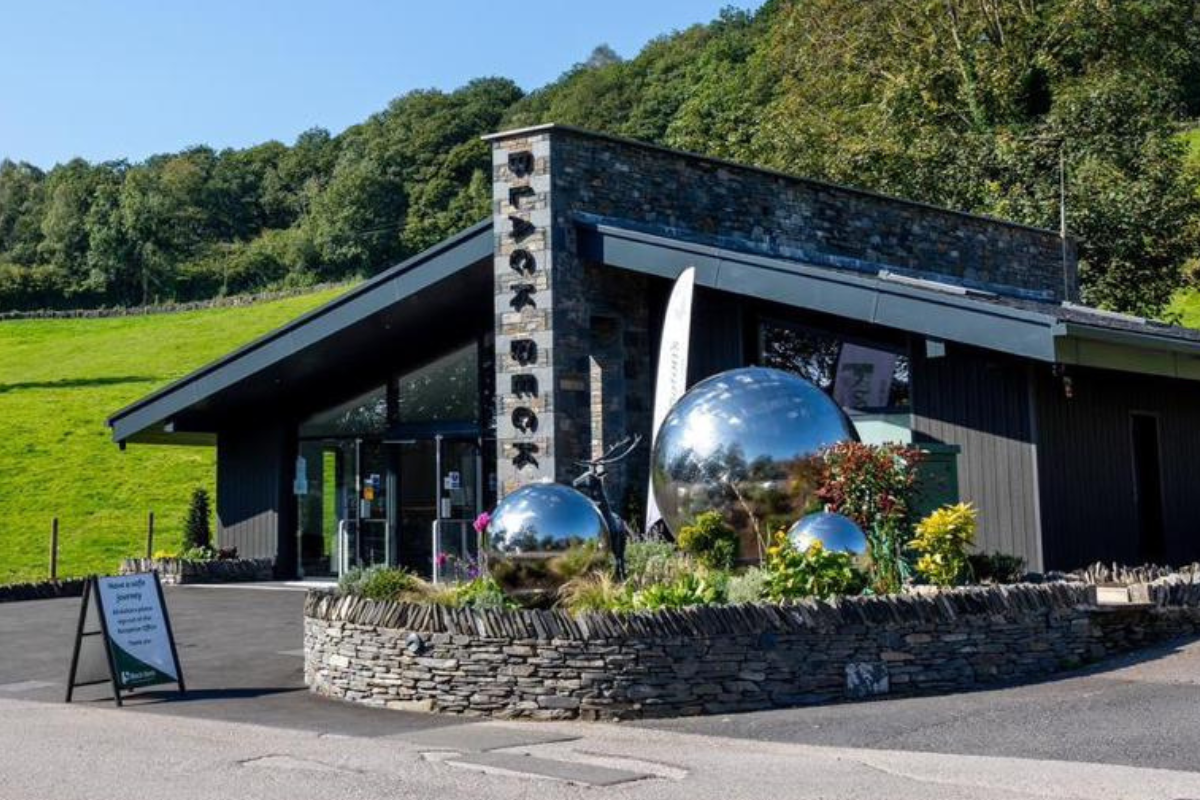
Partington's Holiday Parks
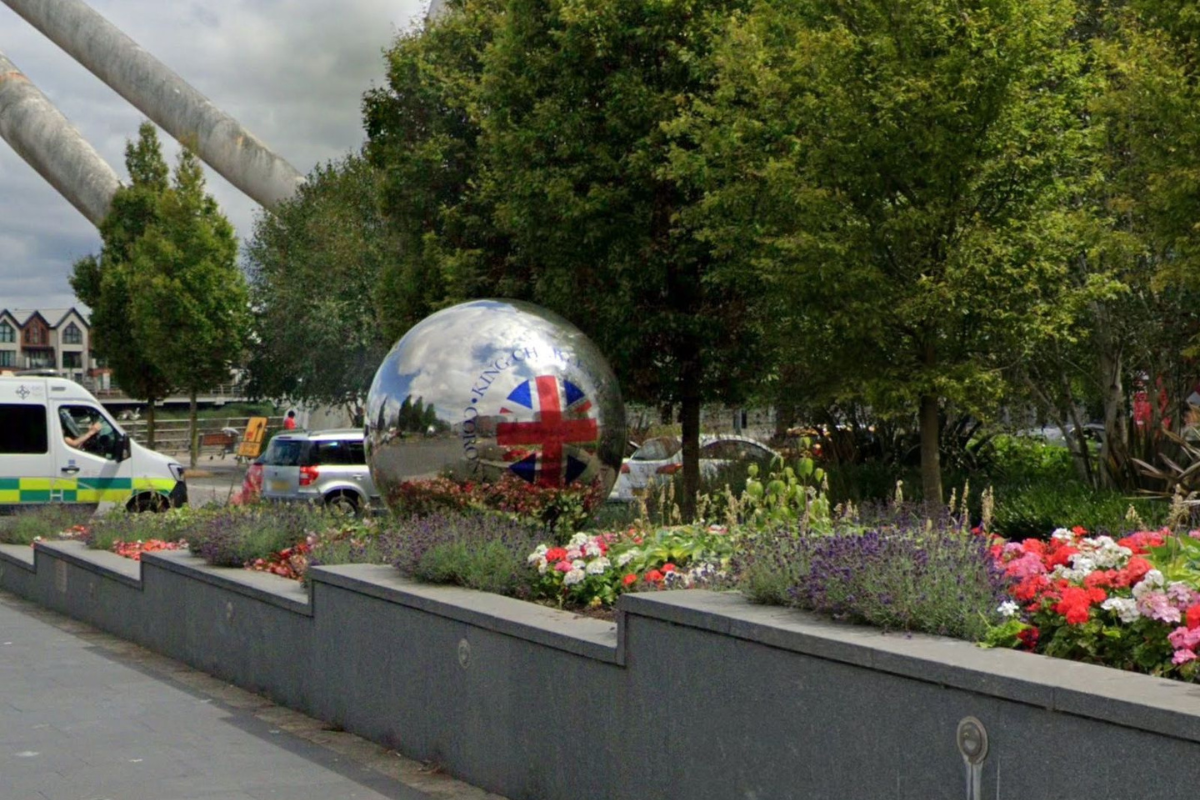
Newport City Council
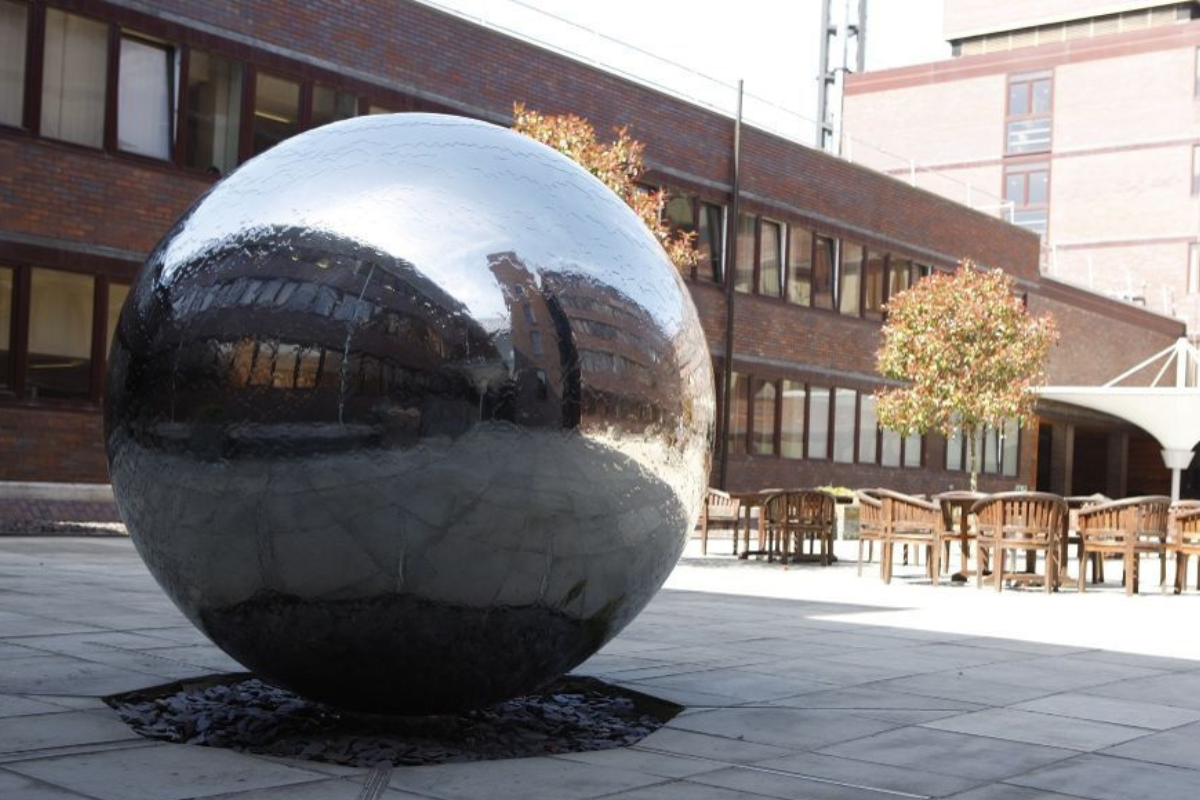
Office For National Statistics
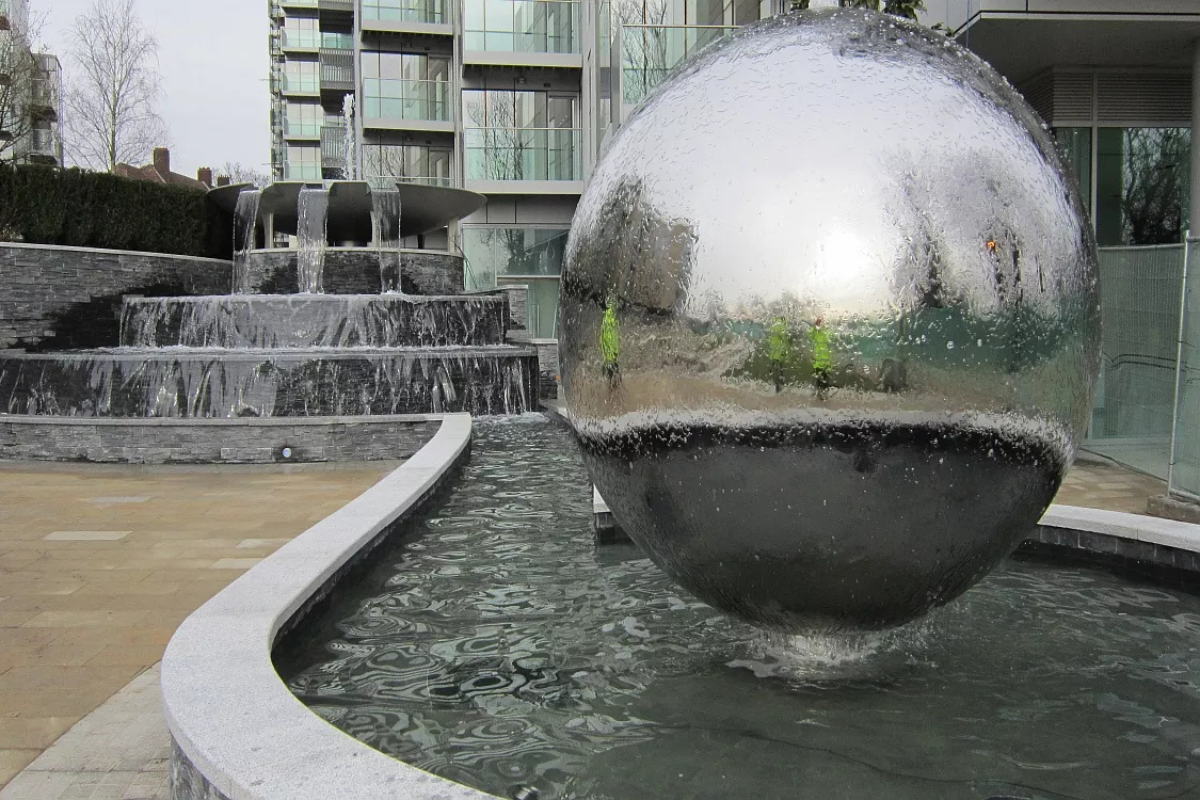
Woodberry Down Redevelopment

GCHQ, Newport
PERSONAL GUIDANCE
Found a look you like?
Send us a photo of your space or tell us which installation has caught your eye. Our team can help you choose the right size, material, reservoir and finishing details for a similar result.
Manchester showroom by appointment • Virtual consultations available
Remind me later